
Table of Contents
- Understanding Rosacea Triggers in Hot Weather
- Immediate Steps to Calm a Rosacea Flare-Up
- Building a Rosacea Skin Care Routine for Dry Heat
- Choosing and Using Rosacea Sunscreen for Sensitive Skin
- Preventing Flares: Practical Dry-Heat Management
- When to Seek Professional Help for Managing Rosacea Flares
- Frequently Asked Questions
Last Updated: October 8, 2026
Understanding Rosacea Triggers in Hot Weather
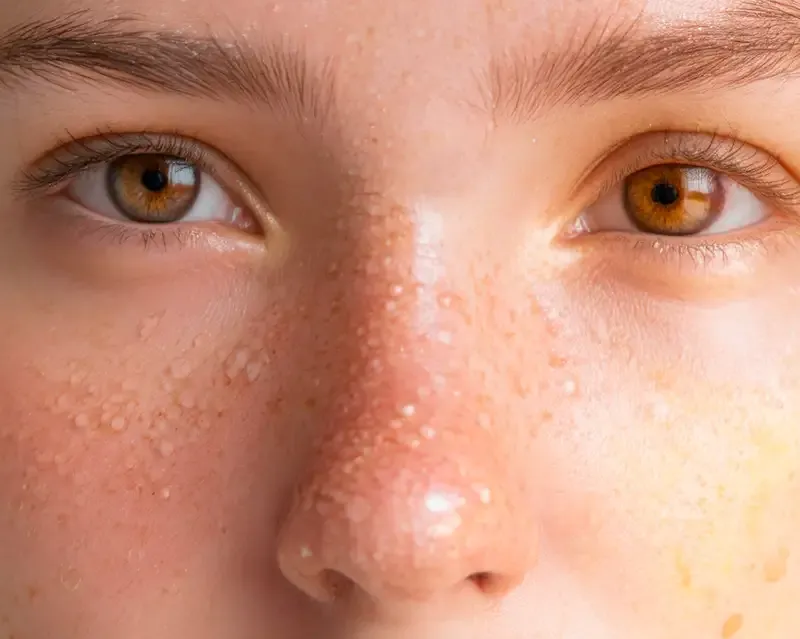
Rosacea is a chronic condition causing facial redness, flushing, and visible blood vessels.
Dry heat is uniquely challenging: low humidity pulls moisture from the skin and weakens the barrier, making managing rosacea flares in dry heat especially difficult, skin becomes more reactive and slower to recover.
Understanding your personal triggers is the first step toward prevention. Common rosacea triggers in hot weather include:
- Direct sun exposure and UV rays
- High outdoor temperatures
- Indoor heating and air conditioning shifts
Not everyone reacts to the same triggers. Some flare from heat alone; others only when heat combines with sun or stress. Tracking your conditions helps build a personalized prevention plan.
Keep a simple log for two weeks: note the date, time of day, temperature, humidity level, what you were doing, and whether a flare occurred. Patterns will emerge that reveal your specific threshold for heat exposure before symptoms appear.
Immediate Steps to Calm a Rosacea Flare-Up
When a flare starts, the first 30 minutes matter most. The goal: interrupt the heat-inflammation cycle by lowering skin temperature gradually, stopping triggers, and supporting the barrier without anything that stings.
Practitioners describe a three-phase response, cool, calm, cover, in that order, because doing them out of sequence (say, moisturizing hot, flushed skin) can trap heat and prolong the flare.
Phase 1: Cool (First 10-15 Minutes)
The fastest way to stop a flare is lowering skin temperature without shocking it. Sudden cold makes vessels constrict then rebound-dilate, which is why ice and ice-cold water often worsen flushing.
Cooling sequence, in order:
- Stop the heat source. Step out of the sun, off the treadmill, or away from the oven, removing the trigger is the highest-impact step.
- Move to the coolest space available. Air conditioning is ideal; shade with moving air is next best. Even 10 minutes in a cool room can break the cycle.
- Apply a cool, not cold, compress. Soak a soft washcloth in tap-cool water (roughly 60-70°F), wring it out, and hold it on flushed areas for 10-15 minutes, re-wetting as it warms.
- Sip cool water to lower core temperature and replace fluid lost to sweating in dry air.
- Loosen or remove layers. Collars, scarves, and tight necklines trap heat against the face and neck.
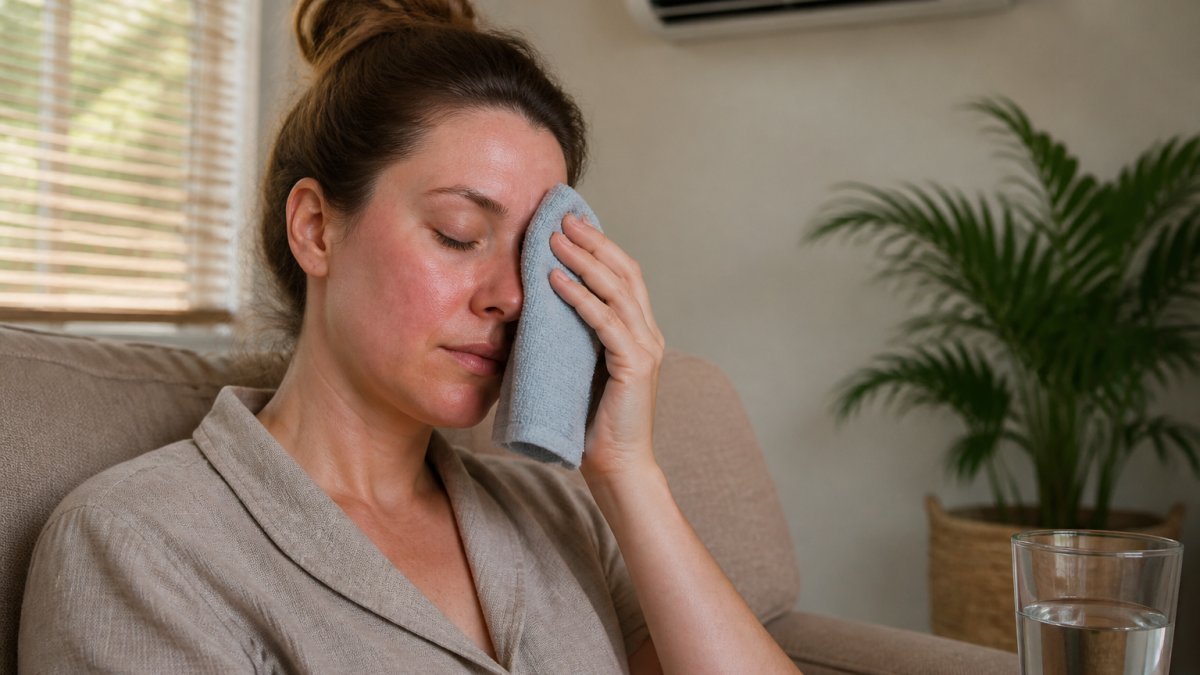
Never apply ice directly to the skin, and avoid ice rollers or frozen gel packs during an active flare. The temperature swing can trigger a rebound flush that is often more intense than the original one. Gradual cooling with a cool compress is safer and more effective.
Phase 2: Calm (Next 15-30 Minutes)
Once skin stops feeling hot to the touch, the acute heat response is winding down. This is the window to support the barrier, not to treat, exfoliate, or “fix” anything.
What to apply during this phase:
- A fragrance-free, dye-free moisturizer with ceramides, glycerin, or hyaluronic acid
- A single soothing serum you know does not sting (panthenol, allantoin, or colloidal oatmeal)
- A refrigerated calming or sheet mask, if tolerated, the cool temperature adds a mild vasoconstricting effect
What to avoid during this phase:
- Alcohol-based toners, astringents, and aftershave-style products
- AHAs, BHAs, retinoids, and vitamin C serums
- Physical scrubs, cleansing brushes, and washcloths used with friction
If a product stings, burns, or itches on contact, rinse it off with cool water and don’t reapply, stinging during a flare is not a sign it’s “working.”
Phase 3: Cover (Before You Go Back Outside)
If you need to return to dry heat or sun, protect the skin before you step out, not after.
- Apply a mineral (zinc oxide or titanium dioxide) sunscreen, SPF 30 or higher, to dry skin
- Reapply every 90 minutes to two hours in dry heat, since perspiration and low humidity degrade the film faster than in humid conditions
- Add a wide-brimmed hat and UV-blocking sunglasses to reduce the UV load
When an Active Flare Needs Medical Attention
Most flares settle within hours of cooling and barrier support. Contact a clinician if:
- The flare lasts longer than 24-48 hours despite home care
- You develop painful, hot, swollen skin, or redness spreads rapidly beyond the face
- You notice pus-filled bumps, crusting, or open areas
A dermatologist can also confirm the diagnosis, since seborrheic dermatitis, contact dermatitis, lupus, and steroid-induced rosacea look similar but need different treatment.
The flare response is a sequence, not a list: cool the skin gradually, calm it with barrier-supportive products only, then cover with mineral sunscreen before returning to dry heat. Skipping the order, especially applying actives or ice, is what turns a 30-minute flare into a two-day one.
Building a Rosacea Skin Care Routine for Dry Heat
A solid daily routine prevents flares by strengthening the skin barrier, maintaining hydration, and protecting from sun damage.
Morning Routine Essentials
Start with a gentle cleanse and protection.
Morning steps (in order):
- Rinse with cool or lukewarm water
- Pat dry gently (do not rub)
- Apply a hydrating toner or essence if desired
- Use a lightweight, fragrance-free moisturizer
- Apply broad-spectrum sunscreen (SPF 30 or higher)
- Wait 5-10 minutes before makeup if needed
The morning routine should take under five minutes, fewer ingredients mean fewer potential triggers. In dry heat, choose a moisturizer that locks in water without feeling heavy, with glycerin, hyaluronic acid, or ceramides.
Evening Routine for Recovery
Evening is when skin repairs itself, your chance to restore hydration and strengthen the barrier.
Evening steps (in order):
- Cleanse gently with a cream or milk cleanser
- Apply a hydrating toner if using one
- Apply a richer moisturizer than morning (heavier texture is fine at night)
- Optional: apply a calming serum or essence before moisturizer
- Consider a barrier-repair product with ceramides or niacinamide
Evening allows richer products since skin isn’t facing sun exposure, and it’s the best time for dermatologist-recommended treatments. Consistency matters more than complexity, the same gentle routine daily trains skin to be more stable.
The foundation of managing rosacea flares in dry heat is a simple, consistent routine with hydrating products and sun protection. Most people see improvement within two weeks of sticking to a basic regimen.
Choosing and Using Rosacea Sunscreen for Sensitive Skin
Sun exposure is a major rosacea trigger: UV rays damage the barrier and cause inflammation. Sunscreen is essential prevention, not optional.
What to Look for in Sunscreen
Not all sunscreens work for rosacea-prone skin. The wrong formula can trigger a flare.
Book Skincare Services in Townsquare →
Best sunscreen features for rosacea:
- Mineral (physical) sunscreen with zinc oxide or titanium dioxide
- Broad-spectrum (UVA and UVB) protection, SPF 30 or higher
- Fragrance-free, no added dyes or colorants
Mineral sunscreens are gentler: they sit on top of skin and reflect UV rays rather than absorbing them, meaning less irritation and heat absorption. Avoid alcohol, fragrance, or oxybenzone, and read labels carefully, “natural” or “organic” doesn’t guarantee gentleness.
Reapplication in Dry, Hot Conditions
Sunscreen loses effectiveness over time, especially in heat and dry air. Reapplication is critical.
When and how to reapply:
- Reapply every two hours outdoors, and immediately after swimming or heavy sweating
- In very hot, dry conditions, reapply every 90 minutes
- Use powder or spray sunscreen for touch-ups over makeup
Dry heat makes sunscreen evaporate faster, so skin loses protection without you feeling it, set a phone reminder if you’re outside for long stretches. For touch-ups over makeup, mineral powder or spray beats reapplying liquid.
Preventing Flares: Practical Dry-Heat Management
Dry heat differs from humid heat. In humid heat, sweat sits on skin and the job is removing it and cooling down. In dry heat, sweat evaporates almost immediately, so you may not realize how much fluid you’re losing, and low humidity pulls moisture from the barrier continuously, even indoors. Prevention has two fronts: manage the air around you, and the water inside and on your skin.
Set a Humidity Target, Not Just “Use a Humidifier”
Most dermatology guidance points to indoor relative humidity around 40-60%. Below roughly 30%, the air accelerates transepidermal water loss, water escaping through the skin, the mechanism behind the tight, reactive feeling many people with rosacea get in desert or high-altitude climates.
Practical indoor adjustments:
- Use an inexpensive hygrometer to check actual humidity in your bedroom and main living space, do not guess
- Run a cool-mist humidifier overnight in the bedroom and in your main daytime room
- Clean the humidifier reservoir every few days; standing water can grow mold and bacteria that get aerosolized onto your skin
Hydration From the Inside: What Actually Helps
The “8 glasses of water” rule is a rough starting point, not a prescription, needs vary with body size, activity, medications, and outdoor time. Drink consistently and watch for dehydration signs (dark urine, headache, dry mouth, fatigue), easy to miss in dry heat since you may not feel sweaty.
Hydration habits that support skin in dry heat:
- Keep a water bottle within reach and sip throughout the day rather than drinking large amounts at once
- Increase intake on days with outdoor activity, high temperatures, or long stretches in AC
- Be cautious with alcohol and high-caffeine energy drinks, which can worsen flushing and increase fluid loss
Outdoor Timing and Clothing in Dry Heat
In dry heat, sun and air temperature do two things at once: UV drives inflammation, dry air drives barrier breakdown. Both need managing.
Outdoor strategy:
- Plan outdoor activity for early morning or after sunset; peak UV falls roughly between 10 a.m. and 4 p.m., and peak heat often lags slightly behind
- Take a cooling break, shade, AC, or a cool drink, every 30-45 minutes outdoors
- Wear light-colored, loose cotton or linen, which lets heat escape and reduces friction against the face and neck
A Simple Trigger Diary That Actually Reveals Patterns
A diary only works if it captures the variables that matter in dry heat. Temperature alone isn’t enough, humidity, sun exposure, activity, and food or drink all interact.
Log these fields for two to four weeks:
- Date and time of day
- Outdoor temperature and, if available, relative humidity
- Minutes outdoors and whether in direct sun or shade
After a few weeks, look for thresholds rather than single causes. Flares often appear only when two or more factors stack, a 90°F afternoon plus direct sun plus a missed sunscreen reapplication.
If you must be outside during peak heat, plan breaks in air conditioning every 30-45 minutes. A short break in a cool, humidified space resets skin temperature and offsets the cumulative moisture loss that builds over an afternoon in dry air.
Dry-heat prevention is a two-front job: control the air (humidity around 40-60%, cool-mist humidifier, no direct fan or AC on the face) and control the water (consistent fluid intake, barrier-supportive skincare, and a diary that tracks humidity and sun alongside temperature). Generic rosacea advice misses the humidity variable, and in dry heat, that variable is often the one that decides whether you flare.
When to Seek Professional Help for Managing Rosacea Flares
Home care manages most flares, but some situations need professional treatment. Knowing when to reach out prevents flares from becoming severe.
Seek professional help if:
- Flares happen more than twice per week despite prevention
- Flares last longer than 24-48 hours
- Redness spreads beyond the face (neck, chest, or ears)
Professional treatments include topical medications, oral antibiotics, and advanced therapies like Intense Pulsed Light (IPL), which work best alongside solid home care and trigger management. If you’re ready to move beyond home management, check our services to explore professional rosacea treatment options tailored to your skin’s needs.
Managing rosacea flares in dry heat requires a multi-step approach: immediate cooling when flares occur, a consistent daily routine with hydration and sun protection, and strategic environmental adjustments. Book a consultation to create your personalized rosacea management strategy and take control of your skin health.
Frequently Asked Questions
How can you calm rosacea triggered by heat?
Move to a cooler environment immediately, apply a cool (not cold) compress to your face for 10-15 minutes, and drink cool water to hydrate from within. Avoid hot showers or steam. Use a gentle, hydrating moisturizer designed for sensitive skin. If redness and warmth persist beyond 30 minutes, consider taking an antihistamine and contact a dermatologist if symptoms worsen.
Does dry air make rosacea worse?
Yes, dry air significantly worsens rosacea by compromising your skin barrier and increasing moisture loss. In dry heat, your skin becomes more reactive to triggers like sun exposure and temperature changes. Use a humidifier indoors, apply non-irritating moisturizer frequently, and drink plenty of water to support skin hydration. Avoid harsh skincare products that strip moisture.
What skin-care routine is best for rosacea-prone skin in dry heat?
Use a gentle cleanser without fragrance or alcohol, apply a broad-spectrum SPF 30+ sunscreen daily, and moisturize twice daily with a non-irritating, hydrating product. In dry heat, reapply sunscreen every 2 hours outdoors and after sweating. Avoid products with alcohol, fragrance, or strong actives like retinoids. Consider a rosacea-specific skincare line formulated for sensitive skin.
When should you see a dermatologist about rosacea flares?
Contact a dermatologist if flares occur frequently, last longer than a few hours, are accompanied by eye symptoms, or don’t improve with home care. Persistent facial redness, visible blood vessels, or thickened skin warrant professional evaluation. A dermatologist can prescribe topical or oral treatments and recommend professional procedures like Intense Pulsed Light therapy to reduce flare frequency and severity.