

Table of Contents
- Understanding Hyperpigmentation and Medical-Grade Solutions
- Best Skincare Products for Hyperpigmentation: What Works
- Key Ingredients for Hyperpigmentation Treatment
- Medical-Grade Skincare vs. Over-the-Counter: Key Differences
- How Long Does Hyperpigmentation Take to Fade?
- Safety, Irritation, and Skin-Tone Considerations
- Building Your Hyperpigmentation Routine: Professional Guidance
- Frequently Asked Questions
Last Updated: October 12, 2026
Understanding Hyperpigmentation and Medical-Grade Solutions
Hyperpigmentation is a condition where patches of skin become darker than the surrounding area due to excess melanin production.
At Acne Clinic by Justina, we recognize that hyperpigmentation isn’t one-size-fits-all. Root causes vary dramatically, and so do the solutions. Identifying your type of discoloration is the first step toward the right treatment.
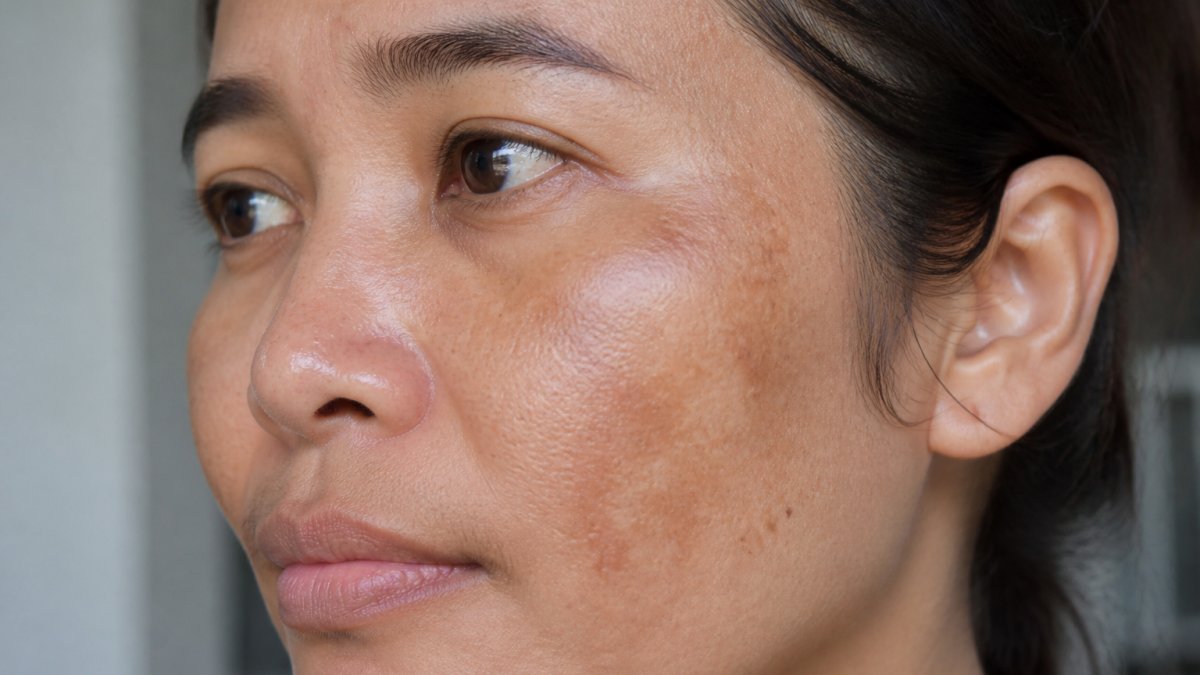
Types of Hyperpigmentation: Melasma, Post-Inflammatory, and Sun Spots
Three distinct types require different treatment strategies. Melasma appears as symmetric facial patches triggered by hormonal changes, sun exposure, or genetics. It’s stubborn and recurs without consistent sun protection.
Post-inflammatory hyperpigmentation develops after skin trauma such as acne, eczema, or laser treatment. Excess melanin produced during healing leaves dark marks that can persist for months or years without targeted treatment.
Sun spots (solar lentigines) are flat, brown patches from cumulative UV exposure.
The distinction matters because melasma responds poorly to many treatments that work for post-inflammatory marks or sun spots. Any medical-grade skincare for hyperpigmentation reviews approach must account for which type you’re treating.
Best Skincare Products for Hyperpigmentation: What Works
Most roundups rank products by popularity. A more useful approach compares what determines whether a product can fade pigmentation: active ingredient, disclosed concentration, delivery format, evidence tier, and tolerance with other actives. Below is a framework for evaluating any medical-grade product, plus representative categories.
The Five Variables That Separate Real Products From Marketing
- Active ingredient and disclosed concentration. A product listing niacinamide without a percentage is not comparable to one disclosing 4% or 5%. Where concentration isn’t disclosed, treat the claim as unverified.
- Delivery format. Serums penetrate fastest and suit hydroquinone, vitamin C, and tranexamic acid. Creams buffer irritation and suit retinoids and azelaic acid. Gels suit oily, acne-prone skin but carry lower active loads.
- Evidence tier. Prescription actives (hydroquinone 4%, tretinoin, tazarotene, azelaic acid 15-20%) have the strongest published evidence. Well-studied OTC actives (niacinamide, tranexamic acid, azelaic acid 10%, cysteamine, thiamidol) sit in a middle tier. Botanical ‘brighteners’ with no concentration or trial data sit at the bottom.
- Stability and packaging. L-ascorbic acid oxidizes on air and light exposure, opaque, airless, or single-use packaging preserves potency. Hydroquinone discolors with oxidation; a brown-tinted product has lost activity.
- Combination logic. Products designed to stack (a hydroquinone or cysteamine treatment plus a barrier cream plus SPF) outperform single actives, but only if the actives don’t destabilize each other or overload the barrier.
Representative Categories and What to Look For
Hydroquinone 4% creams (prescription). The reference standard for melasma and post-inflammatory hyperpigmentation.
Cysteamine creams (OTC, medical-grade). A newer non-hydroquinone option for melasma.
Tranexamic acid serums (typically 3-5%). Best for melasma and vascular-linked pigmentation. Often combined with niacinamide or kojic acid. Evidence is moderate and growing.
Azelaic acid 15-20% (prescription) or 10% (OTC). Useful for acne and post-inflammatory hyperpigmentation, including deeper skin tones where other actives carry irritation risk.
Retinoids (tretinoin, tazarotene, adapalene, or encapsulated retinol). Accelerate turnover and improve photodamage; typically the second pillar of a regimen, not the first.
Niacinamide (4-5%). A support active, barrier, oil control, tolerability, not a primary depigmenter.
A Head-to-Head Comparison Framework
When comparing two medical-grade products for the same concern, score each on:
- Disclosed concentration (yes/no, and how it compares to the evidence-backed range)
- Evidence tier (prescription / well-studied OTC / emerging / unsupported)
- Format fit for your skin type (serum vs. cream vs. gel)
- Irritation profile and whether it’s designed to be layered
- Cost per treatment month, not per bottle, a $90 serum used twice weekly costs less per month than a $40 cream used twice daily
- Suitability for your pigmentation type (melasma vs. PIH vs. sun spots)
A product is ‘medical-grade’ only if you can name its active, its concentration, and the evidence behind it. If any of those three is missing, you’re paying a premium for packaging.
FDA consumer information on hydroquinone and skin-lightening products
Prescription-Strength vs. Over-the-Counter Options
Prescription treatments offer higher active concentrations and compounds unavailable over the counter. Hydroquinone at 4% requires a prescription; OTC versions max out at 2%. Tretinoin is prescription-only and outperforms OTC retinol for reducing pigmentation.
Over-the-counter medical-grade skincare for hyperpigmentation reviews products can still deliver meaningful results, particularly with complementary ingredients like vitamin C, niacinamide, and botanical brighteners. The trade-off is longer timelines and less dramatic results for severe discoloration.
The choice depends on severity, skin sensitivity, and whether you’re addressing melasma versus post-inflammatory marks. A skincare professional can identify which approach suits your situation.
Key Ingredients for Hyperpigmentation Treatment
Vitamin C, Hydroquinone, Retinoids, and Niacinamide Explained
Vitamin C inhibits tyrosinase, an enzyme essential for melanin production, and provides antioxidant protection against UV-induced damage. Stabilized forms like L-ascorbic acid and tetrahexyldecyl ascorbate penetrate most effectively.
Hydroquinone is the gold standard for melasma and post-inflammatory hyperpigmentation, directly reducing melanin production by inhibiting tyrosinase.
Retinoids accelerate cell turnover, helping shed pigmented cells. Tretinoin (prescription) is more potent than OTC retinol, but both fade discoloration over time and reduce photodamage.
Niacinamide (vitamin B3) reduces sebum, strengthens the barrier, and has mild anti-inflammatory properties. Not a primary depigmenter, it supports tolerability alongside stronger actives like hydroquinone or tretinoin.
The most effective formulations combine these ingredients strategically.
Medical-Grade Skincare vs. Over-the-Counter: Key Differences
Medical-grade skincare for hyperpigmentation reviews products differ from over-the-counter alternatives in several ways. Concentration is most obvious: medical-grade formulations contain higher percentages of proven actives, enabling faster, more dramatic results.
Stability and delivery systems also set them apart. Medical-grade products use encapsulation, pH optimization, and stabilization to keep actives potent and penetrating. Many OTC products degrade quickly or fail to reach viable skin layers.
Clinical testing standards differ too. Medical-grade products typically undergo more rigorous safety and efficacy testing before market, so their evidence base is generally stronger, though not all OTC products are ineffective.
Professional guidance is another key difference.
How Long Does Hyperpigmentation Take to Fade?
Realistic Timelines and Measurable Progress
Timelines depend on discoloration type, treatment approach, and individual skin characteristics.
Melasma requires consistent, active treatment. Most people see improvement within 8-12 weeks of prescription-strength hydroquinone plus sun protection.
Sun spots respond more quickly than melasma. With consistent brightening serums and retinoids, visible lightening often appears within 6-8 weeks; complete fading may take 3-4 months.
The critical variable is consistency. Skipping applications or stopping early extends timelines, and sun exposure during treatment reverses progress and can worsen pigmentation.
Measurable progress looks like gradual lightening, a more even complexion, and less visible dark spots. Early signs include smoother texture and improved brightness, which precede visible pigmentation reduction.
Safety, Irritation, and Skin-Tone Considerations
Medical-grade skincare for hyperpigmentation reviews products can cause irritation, particularly when combining multiple actives or using prescription-strength formulations.
Retinoid irritation is dose-dependent. Starting at lower concentrations and gradually building tolerance reduces dryness and inflammation; niacinamide helps buffer irritation and supports barrier repair.
Skin tone matters significantly. Deeper skin tones require careful ingredient selection because some actives, particularly hydroquinone, can cause post-inflammatory hyperpigmentation if irritation occurs.
Sun protection is non-negotiable regardless of skin tone. UV exposure during treatment undermines results and can worsen pigmentation.
Building Your Hyperpigmentation Routine: Professional Guidance
Most competitors stop at ‘use a serum and wear sunscreen.’ The harder question is how to introduce multiple actives without triggering the inflammation that causes more pigmentation, and how to know the routine is working. This section covers sequencing, layering, sunscreen, and tracking.
The Introduction Order (One Active at a Time)
Introduce actives sequentially, not simultaneously. A common, tolerable pattern:
- Weeks 1-2: Gentle cleanser, moisturizer, and broad-spectrum sunscreen only. This establishes a baseline and confirms your barrier tolerates basic products.
- Weeks 3-4: Add the primary depigmenting active (hydroquinone, cysteamine, or azelaic acid) at your clinician’s recommended frequency, often every other night at first.
- Weeks 5-8: Add a retinoid on alternate nights from the depigmenting active, starting at the lowest effective strength.
- Weeks 9+: Add a morning antioxidant (vitamin C) once the evening routine is stable.
If irritation appears at any step, drop back one step for one to two weeks before advancing. This isn’t a setback, it’s how you avoid the post-inflammatory hyperpigmentation aggressive stacking causes.
Layering Rules That Matter
- Apply to clean, completely dry skin. Water increases penetration of some actives and irritation risk.
- Thinnest to thickest. Aqueous serums first, then anhydrous or cream treatments, then moisturizer.
- Separate incompatible actives by time, not just layer. L-ascorbic acid and benzoyl peroxide destabilize each other; use them in different routines (AM vs. PM). Retinoids and strong acids (glycolic, salicylic) on the same night often overwhelm the barrier, alternate nights.
- Do not stack two strong depigmenters. Hydroquinone plus cysteamine plus tranexamic acid plus azelaic acid isn’t four times as effective, it’s four times the irritation risk.
- Buffer when needed. Applying moisturizer before a retinoid (the ‘sandwich’ method) reduces irritation with only a modest efficacy reduction.
Irritation from any active can itself cause post-inflammatory hyperpigmentation, especially in deeper skin tones. If a product causes redness, stinging, or peeling that lasts more than a few days, stop it and reassess with a professional before restarting.
Sunscreen: The Non-Negotiable Variable
UV exposure is the largest driver of recurrence for melasma and sun spots, and it worsens post-inflammatory hyperpigmentation. During active treatment:
- Broad-spectrum SPF 30 minimum, SPF 50 preferred. Look for labeled UVA protection (PA++++ or the Boots star system) alongside the SPF number.
- Tinted formulas help. Iron oxides block visible light, a known melasma trigger standard UV filters don’t address.
- Reapply every two hours outdoors, and use a hat and shade during peak UV hours.
- Sunscreen is not optional on cloudy days or indoors near windows. UVA passes through glass.
Tracking Progress So You Know It’s Working
Subjective impressions are unreliable, pigmentation fades slowly and lighting changes how it looks. A simple tracking method:
- Standardized photos. Same location, time of day, lighting, angle, no makeup. Take one every two weeks.
- A consistent reference point. Compare week 4 to week 0, week 8 to week 4, not day to day.
- A simple severity note. Rate darkness and area on a 1-5 scale alongside each photo.
- A stop rule. If there’s no measurable change by 12 weeks of consistent use, the regimen needs reassessment, not more of the same.
When to Seek Professional Assessment
See a clinician if: the pigmentation is spreading or changing shape, appeared suddenly without an obvious trigger, involves the eye area or mucous membranes, comes with other symptoms, or hasn’t responded to 12 weeks of a well-constructed routine.
Professional guidance from a corrective skincare clinic ensures your routine addresses the root cause of your discoloration, not just surface symptoms.
Starting conservatively and gradually increasing strength or frequency reduces irritation-induced setbacks. Many people achieve better results with consistent, gentle treatment over months than aggressive treatment that triggers sensitivity and forces breaks.
Frequently Asked Questions
What is the most effective skincare ingredient for hyperpigmentation?
Hydroquinone remains the gold standard for treating hyperpigmentation, particularly melasma and post-inflammatory discoloration. Vitamin C serums, retinoids, and niacinamide also show strong clinical evidence for reducing dark spots and evening complexion. Medical-grade formulations deliver higher concentrations than over-the-counter products, which typically results in faster, more visible improvements. The most effective approach combines multiple ingredients tailored to your specific type of hyperpigmentation and skin sensitivity.
How long does it take for medical-grade skincare to fade hyperpigmentation?
Most people see noticeable fading within 4-8 weeks of consistent use, though significant improvement often takes 8-12 weeks or longer depending on the depth and type of discoloration. Melasma typically requires 12-16 weeks of daily treatment before substantial results appear. Post-inflammatory hyperpigmentation may fade faster, sometimes within 6-8 weeks. Sunscreen use is critical during treatment, without it, new pigmentation can develop and slow progress. Professional treatments combined with medical-grade skincare accelerate results.
Is medical-grade skincare more effective than over-the-counter products?
Medical-grade skincare contains higher concentrations of active ingredients and undergoes more rigorous testing than over-the-counter formulations. For hyperpigmentation specifically, prescription-strength options like hydroquinone and tretinoin deliver faster, more measurable results. Over-the-counter products with lower concentrations may help with mild discoloration or prevention but are less effective for moderate to severe cases. Many dermatologists recommend starting with medical-grade products for hyperpigmentation rather than experimenting with multiple consumer brands.
What should I use with dark spot treatment to prevent hyperpigmentation from returning?
Broad-spectrum sunscreen (SPF 30 or higher) is non-negotiable, UV exposure is the primary trigger for both new and returning hyperpigmentation. Daily use prevents undoing weeks of treatment progress. Antioxidants like vitamin C and niacinamide in your routine provide additional protection and support skin barrier health. Avoid known irritants and inflammatory triggers specific to your skin. A personalized routine from a skincare professional ensures you’re using complementary products that work together rather than against each other.


